
















Patient information
Find everything you need to know before your appointment with Canopy Imaging, including referral requirements, appointment preparation, payment information, accessing your results through the Patient Portal, privacy information, and answers to frequently asked questions.
Already have a referral? We accept referrals from any imaging provider, making it easy to book your appointment with us.
Our team is committed to making your visit as simple and stress-free as possible. If you have any questions before your appointment, please contact us and we'll be happy to help.


Your appointment at a Canopy clinic
How to book an appointment
- Obtain a referral from your healthcare provider
- Contact Canopy Imaging or submit your referral online
- Our team will arrange an appointment at a convenient location and time
- Attend your appointment and receive care from our experienced imaging team
Before you arrive at the clinic
-
If we do not already have a copy of your referral please upload here. A simple picture taken on a smart phone will suffice, but please contact us if you have problems doing so.
- For safety reasons we may not be able to perform your procedure on the day if we have not already received your referral form.
- If you have been referred to us from your public hospital, we will already have your referral on file. You don’t need to send us a copy.
- Please arrive 10 minutes before your appointment time so we have plenty of time to get you ready for your procedure.
- We ask that if you have children with you, that you ensure they have adult supervision whilst you undergo your scan. We thank you for your understanding and cooperation.
- Two support people may accompany you to this appointment.
- If you have Covid or flu-like symptoms, please do not come to your appointment. Please call us to advise that you will not be coming in and reschedule your appointment. For further guidance, please refer to the current Ministry of Health guidelines.
What do I do if I can’t make my appointment?
- Phone us as soon as possible so we can reschedule you for a more convenient time. See all our clinic details here.
What happens if I arrive late for my appointment?
- We understand that sometimes you may be delayed and we will do everything possible to see you on the day, however we may need to reschedule you for another time if this is not possible.
When you are at the clinic
- The use of phones and cameras are not permitted in our clinical rooms.
- Before you undergo any medical procedure, please let our clinical staff know if you are pregnant.
- If you are having an X-ray, CT or MRI procedure, it is not possible to bring family members or friends into the procedure room with you. Therefore if you have young children, you must bring someone to supervise them during this time.
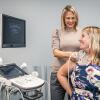
- If you are having an ultrasound procedure, in order that we may give our full attention to your medical needs, a maximum of 2 support people may attend any examination. Additional visitors will need to wait in our reception area.
- Once your procedure is completed, our Radiologist will report their findings directly to the medical professional who referred you to us. If you would like a copy of our report sent to any other medical professional, please let us know and we will happily accommodate your request.
Going home
- If you are having a steroid or arthrogram injection, you may need to bring someone with you to drive you home or arrange alternative transport as it may not be safe for you to drive for at least 20 minutes after this procedure.
Frequently Asked Questions
Most imaging examinations require a referral from your GP, specialist, physiotherapist, or other healthcare provider. The referral helps our radiologists understand your clinical history and ensure the most appropriate examination is performed.
Some services can be accessed without a referral. You may be eligible to self-book a DEXA scan (bone density or body composition scan) if you meet certain criteria, and many patients can also self-refer for a screening mammogram without a doctor's referral. The only other exception is a screening mammogram at ABC. You do not need a referral for this appointment.
If you're unsure whether a referral is required for your examination, please contact our team and we'll be happy to help.
Yes.
Canopy Imaging accepts referrals from any imaging provider. If you already have a referral, you can book your appointment with us regardless of where the referral was originally intended to be used.
Yes. After registering with our reception team, you'll receive login details for the Canopy Imaging Patient Portal. Once logged in, you can securely access your images and reports anytime via the My Images tab on our website.
Please note: Online access is currently unavailable at our Manawatū, Horowhenua and Taranaki clinics.
There are several ways to book an appointment with Canopy Imaging.
You can:
- Submit a booking request through our website
- Contact your preferred Canopy Imaging clinic directly by phone
- Enquire about appointment availability and locations with our bookings team
Some services, such as screening mammograms and certain DEXA (bone density and body composition) scans, may be available without a referral if eligibility criteria are met.
If you're unsure where to start, get in touch and our team will guide you through the process.
Appointment availability varies depending on the type of imaging required and the location you choose. We aim to provide timely access to imaging and will offer the earliest suitable appointment available.
Please bring:
- Your referral (if not already sent to us)
- Your insurance details (if applicable)
- A form of identification
- Community Services card (if applicable)
We also recommend arriving 10–15 minutes before your appointment time.
Canopy Imaging has clinics across the North Island, with different locations offering different services. The best clinic for you will depend on the examination you need, your location, and appointment availability.
If you're unsure which clinic is most appropriate, our team can help you find the most convenient option and arrange an appointment.
Preparation requirements vary by examination. Some scans require fasting, drinking water, or avoiding certain medications. Our team will provide clear instructions when your appointment is booked.
The time required depends on the examination:
- X-ray: approximately 10–20 minutes
- Ultrasound: approximately 20–45 minutes
- CT: usually 15–30 minutes
- MRI: typically 30–60 minutes
- PET-CT: often 2–3 hours including preparation time
Our team can provide a more accurate estimate when you book.
Costs vary depending on the type of examination, funding arrangements and your eligibility for public or private healthcare services. Our team can provide an estimate before your appointment.
Many private health insurance providers cover diagnostic imaging, depending on your policy. We are affiliated providers of Southern Cross and NIB. In most instances we can apply for a prior approval on your behalf. Please ask at the time of booking if this is suitable for your visit.
There can be some variances depending on your cover with your insurance provider so we recommend checking directly with your insurer.
Medical imaging is generally very safe. Some examinations, such as X-rays and CT scans, use low doses of radiation, while MRI and ultrasound do not use radiation at all. Your referrer and radiologist carefully consider the benefits and risks before recommending an examination. Where appropriate, we ask screening questions before booking to ensure the examination is safe and suitable for you.
Each imaging modality provides different information and is used for different clinical purposes:
- X-ray: Uses a small amount of radiation to create images of bones and certain body structures. Commonly used to assess fractures, chest conditions and arthritis.
- Ultrasound: Uses sound waves to produce real-time images of organs, muscles, tendons, blood vessels and pregnancy, without radiation.
- CT (Computed Tomography): Uses X-rays and computer technology to create detailed cross-sectional images of bones, organs, blood vessels and other internal structures.
- MRI (Magnetic Resonance Imaging): Uses a powerful magnet and radio waves to produce highly detailed images of soft tissues, including the brain, spine, joints, muscles and internal organs.
- PET-CT (Positron Emission Tomography–Computed Tomography): Combines functional and anatomical imaging to show both how the body's tissues are working and what they look like. It is commonly used for cancer diagnosis, staging and treatment monitoring, as well as some cardiac and neurological conditions.
- SPECT-CT (Single Photon Emission Computed Tomography–Computed Tomography): Combines nuclear medicine imaging with CT to provide detailed information about organ function and anatomy. It is often used for cardiac imaging, bone scans and the assessment of certain neurological conditions.
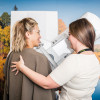
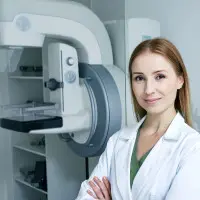
- Mammography and Tomosynthesis: Specialised breast imaging used for screening and diagnosis. Tomosynthesis (3D mammography) creates detailed layered images of the breast, helping radiologists detect abnormalities that may be more difficult to see on standard mammograms.
- DEXA (Dual-energy X-ray Absorptiometry): A low-dose X-ray scan used to measure bone density, helping diagnose osteoporosis and assess fracture risk. DEXA can also be used to measure body composition, including muscle and fat distribution.
Your healthcare provider will recommend the most appropriate examination based on your symptoms, medical history and the information required to guide your care.
- Sonographer: A sonographer is a highly trained healthcare professional who performs ultrasound scans. They use sound waves to create images of organs, muscles, blood vessels and developing babies during pregnancy. Sonographers perform the scan, capture the images and provide technical information to the reporting specialist.
- You may see a sonographer for: pregnancy scans, abdominal ultrasound, pelvic ultrasound, vascular studies, musculoskeletal ultrasound, breast ultrasound and other ultrasound examinations.
- Radiographer (Medical Radiation Technologist): A radiographer performs medical imaging examinations such as X-rays, CT scans, mammograms and sometimes MRI scans. They operate specialised imaging equipment, position patients safely and ensure high-quality images are obtained.
- You may see a radiographer for: X-rays, CT scans, mammograms and some interventional procedures.
- MRI Technologist: An MRI Technologist is a radiographer with additional specialist training in Magnetic Resonance Imaging (MRI). They operate MRI scanners and guide patients through the examination.
- You may see an MRI Technologist for: scans of the brain, spine, joints, muscles and other soft tissues.
- Nuclear Medicine Technologist: A Nuclear Medicine Technologist performs specialised imaging using small amounts of radioactive tracers. These scans help assess how organs and tissues are functioning, not just what they look like.
- You may see a Nuclear Medicine Technologist for: bone scans, cardiac scans and other functional imaging studies.
- PET-CT Technologist: A PET-CT Technologist performs PET-CT scans, which combine functional and anatomical imaging to help diagnose, stage and monitor diseases such as cancer.
- You may see a PET-CT Technologist for: oncology imaging and other specialised PET examinations.
- Radiologist: A radiologist is a medical doctor who specialises in interpreting medical images. They review your scans, prepare the report for your referring clinician and may perform image-guided procedures.
- You may see a radiologist for: image-guided biopsies, injections, drainages or specialised consultations.
- Obstetrician / Sonologist: An obstetrician is a specialist doctor in pregnancy and women's health. Some obstetricians also have expertise in ultrasound (sonology) and provide specialist assessment of pregnancy scans, particularly where additional expertise is required.
- You may see an obstetrician/sonologist for: first-trimester screening, fetal anatomy scans, growth scans and assessment of high-risk pregnancies.
- Breast Care Nurse: A breast care nurse provides support, education and guidance for people undergoing breast investigations or treatment.
- You may see a breast care nurse for: information, practical support and navigating breast care services.
- Nurse: Nurses support patients before, during and after procedures. They assist with patient care, monitoring and recovery when required.
- You may see a nurse for: biopsies, interventional procedures, contrast administration and patient education.
- Administration Team: Our receptionists, booking coordinators and administrative staff help organise appointments, answer questions and ensure your visit runs smoothly.
- You may interact with the administration team when: booking an appointment, completing forms or seeking information about your visit.
- Medical Imaging Assistants / Healthcare Assistants: Medical Imaging Assistants support the clinical team by preparing rooms, assisting patients and helping ensure examinations run efficiently.
- You may see a Medical Imaging Assistant for: mobility assistance, patient preparation and general support during your visit.
After your examination, a specialist radiologist will review your images and prepare a report. The report is usually sent to your referrer within a few days, although timing may vary depending on the type and complexity of the examination.
Urgent examinations are prioritised and reported as quickly as possible. Your referrer will discuss the results with you and any recommended next steps.
You can access your imaging history at Canopy Imaging through our Patient Portal - a simple, powerful and secure online platform that enables you to conveniently access your radiology images and results. Your images will be available immediately after your appointment. Your reports will be available within three working days after your referring physician has reviewed them. You will also be able to share your reports and images with other medical professionals as well as family members.
Please contact our team or your local Canopy Imaging clinic for assistance with accessing your records or setting up your patient portal.
While you can obtain a copy of your report, we recommend discussing your results with your referrer, who can explain the findings in the context of your medical history and any next steps.
Canopy Imaging provides a broad range of imaging services through clinics across the North Island, including MRI, CT, ultrasound, X-ray, DEXA, mammography, SPECT-CTand PET-CT. Our network enables patients to access expert imaging closer to home, supported by a collaborative team of specialist radiologists, nuclear medicine physicians, technologists and healthcare professionals.
As part of the wider Canopy Healthcare group, patients also benefit from connections with complementary services including Canopy Cancer Care, Auckland Breast Centre and Absolute Radiology, helping support seamless care from diagnosis through to treatment and follow-up.
It depends on the type of scan and the reason for the examination. If you are pregnant or think you may be pregnant, please let our team know before your appointment.
Many imaging examinations can be performed safely during pregnancy:
- Ultrasound is commonly used during pregnancy and does not use radiation
- MRI can be performed safely during pregnancy when clinically appropriate
- X-ray, CT, PET-CT and SPECT-CT use radiation and are only performed during pregnancy when the benefits outweigh any potential risks
Our radiologists and technologists will carefully consider the most appropriate imaging option for you and your baby. If needed, we may recommend an alternative examination that does not involve radiation.
If you are unsure whether your scan is suitable during pregnancy, please contact our team before your appointment and we will be happy to advise.
Following your examination, a specialist radiologist, obstetricain/sonologist or nuclear medicine physician will review your images and prepare a report. This is usually sent to your referrer within a few days, with urgent examinations prioritised.
Your referrer will discuss the results with you and advise on any next steps. If you would like a copy of your images or report, please contact our team for assistance.
Your images are reviewed by a specialist radiologist or obstetricain/sonologist or, for some examinations such as PET-CT and SPECT-CT, a nuclear medicine physician. These highly trained medical specialists interpret the images and prepare a report for your referrer.
The report is then sent to your GP, specialist, or other healthcare provider, who will discuss the results with you and explain any recommended next steps.
At Canopy Imaging, our radiologists and nuclear medicine physicians work collaboratively with referring healthcare providers to support accurate diagnosis and patient care.
The technologist or radiographer performing your examination is specially trained to carry out the scan and ensure high-quality images are obtained. However, they are not responsible for diagnosing medical conditions or interpreting the results.
After your examination, the images are reviewed by a specialist radiologist, obstetricain/sonologist or nuclear medicine physician, who has advanced training in interpreting medical imaging and preparing formal reports for your healthcare provider.
This process helps ensure your results are accurate, complete, and considered alongside your medical history and reason for referral. Your referrer is then usually the best person to discuss the findings with you and answer any questions about your care.
While our technologists and radiographers can explain what to expect during your examination, they are generally unable to provide results or comment on findings at the time of your appointment.
In most cases:
- Radiographers and nuclear medicine technologists are not permitted to diagnose or discuss results with patients.
- Sonographers may identify and document findings during an ultrasound examination, but they generally do not provide a diagnosis or discuss results directly with patients.
- Your images and information need to be reviewed by a radiologist or nuclear medicine physician, who interprets the examination and prepares a formal report.
Some members of our team may talk less than others during a scan because they are concentrating on image quality or following scanning protocols. A quiet examination does not mean that something is wrong, and it does not indicate whether the results are normal or abnormal.
If you have questions during your appointment, please feel free to ask. Our team will be happy to explain the examination process and what happens next.
Payment information
- All monies owed for the procedure you receive must be settled on the day, prior to you leaving our clinic.
- We may refer any outstanding amounts to a debt collection agency if repeated requests for payment have been unsuccessful. Any additional collection costs will be added to the outstanding balance.
- For relevant Obstetric Ultrasounds we are able to send you complementary digital images and video of your scan. Images for any other procedures that require physical media will be provided on request at a cost of $15 and will be issued to you at the time of you settling your account in full.
- Please let us know if you have a valid community services card as some surcharge concessions may apply.
- Please be aware, if ACC decline the claim for your procedure, you will be required to cover the cost.
- Canopy Imaging is directly affiliated with Southern Cross, please provide your membership number when booking your appointment.
Get your images and reports online with the Canopy Imaging Patient Portal
After registering with one of our Canopy Imaging admin team, you will receive your login details. You can then access your images and results anytime by visiting the My Images tab and logging into your Patient Portal.
Please note this is not available in our Manawatu, Horowhenua and Taranaki clinics.